10 Family Dog Traditions Worth Starting This Year
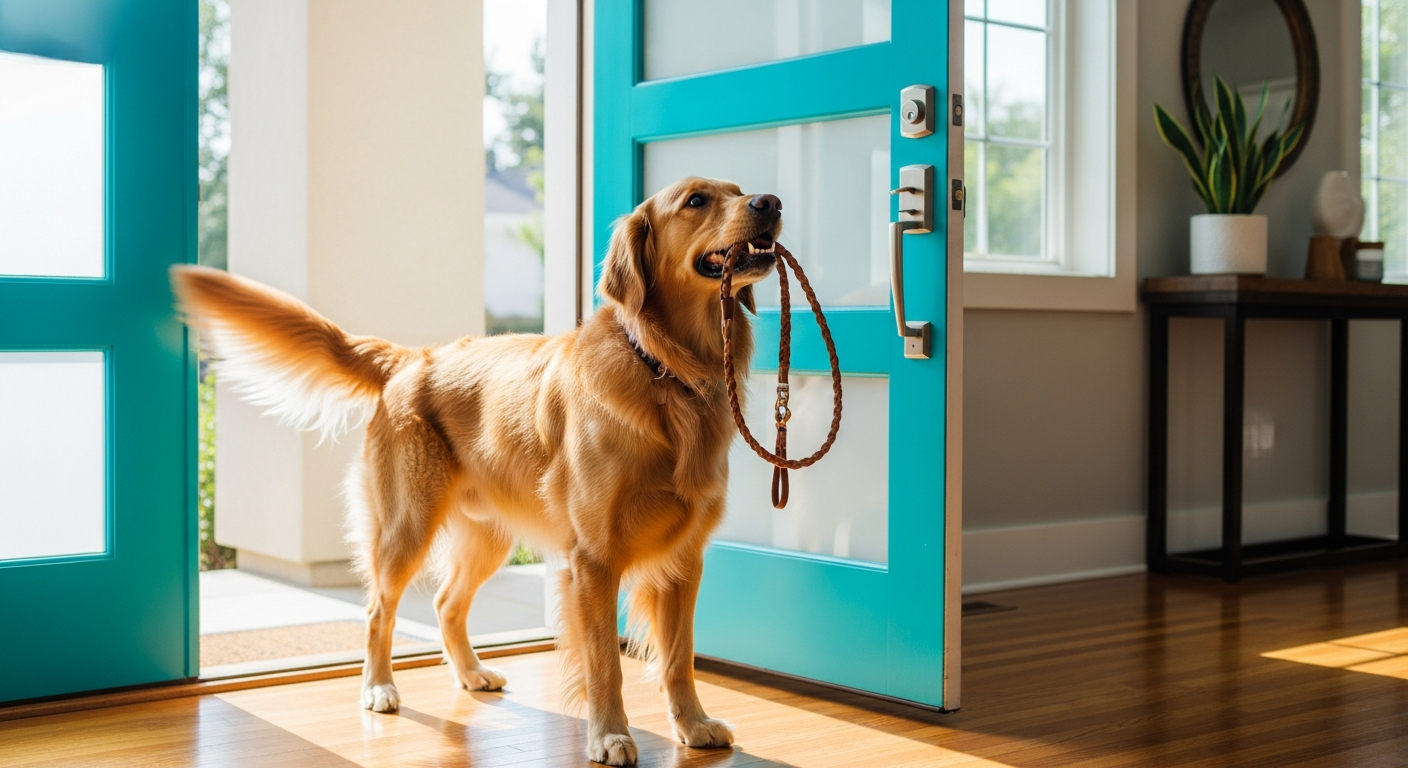
The best family dog traditions are small, repeatable, and need almost no planning: an annual Gotcha Day party, a yearly holiday-card photo, a first-day-of-school picture with the dog, or a once-a-year video "interview" asking your dog the same three questions. Pick one this week and repeat it next year — repetition, not elaborateness, is what turns an activity into a tradition.
Key takeaways
- A tradition doesn't need a budget or a party planner — it needs to happen the same way, on purpose, every year.
- Researchers who study family rituals (not pet-specific, but the mechanism applies) link them to stronger family cohesion and a clearer shared identity, per a decades-spanning review from the American Psychological Association.
- Photo- and video-based traditions are easiest to sustain — you already own the tools (a phone) and probably already take a similar photo, so you're just adding the dog and repeating the frame.
- Rescue dogs especially benefit from a "Gotcha Day" tradition: about 2 million dogs were adopted from U.S. shelters and rescues in 2025, and most families never get an actual birth date.
- Start with one tradition, not all ten — one that survives five years beats five that die in year one.
1. Celebrate Gotcha Day, not just a birthday
Gotcha Day marks the anniversary of the day your dog joined the family — the adoption date or the day you brought a puppy home. It works because it's a real, fixed date every family has, even when the dog's actual birthday is unknown. Roughly 2 million dogs were adopted from U.S. shelters and rescues in 2025 alone, so this is a majority-relevant tradition, not a niche one — and dog birthday-style celebrations are already mainstream: 27% of dog owners now throw their dog a birthday or holiday party, up from 20% in 2022.
Start this week: Find the adoption date, write it on the family calendar, and mark it with one small thing — a special walk, a new toy, or borrow an idea from this dog birthday party guide if you want to go bigger.
Age fit: All ages. Toddlers (3–5) can help pick a toy; older kids (10–13) can plan the whole day.
2. Start a monthly paw-print art tradition
A paw print in washable paint, once a month, on the same sheet of paper or canvas, becomes a growth timeline you can't get any other way — the print gets bigger and messier as the dog (and the kids' labeling handwriting) grows up.
Start this week: Buy pet-safe, washable paint, tape a large sheet of paper to a tray, and do the first print this weekend, labeled with the date. Repeat on the first Sunday of every month.
Age fit: Best for kids 3–9, who love a hands-on craft; older kids can take over labeling and photographing the collection.
3. Make the annual holiday-card photo non-negotiable
If your family already sends a holiday card, the dog goes in the frame every year, in roughly the same pose if you can manage it (same couch spot, same tilted head). Ten years of these side by side becomes a flip-book of the whole family growing up together.
Start this week: Pick the spot now — a doorway, a favorite chair — and take a test shot so the lighting's ready when the real photo day comes this fall.
Age fit: All ages; it requires zero cooperation from kids beyond showing up.
4. Take a first-day-of-school photo with the dog every year
The classic first-day-of-school photo gets a permanent co-star — an easy add-on to something most families already do, giving the dog a visible role in a milestone that's otherwise just about the kids.
Start this week: Add "bring the dog outside" to the first-day-of-school checklist and shoot it in the same spot (front steps, mailbox, driveway) every year, so the backdrop stays constant while everyone else changes.
Age fit: Works from the first day of preschool through the last day of middle school — see the complete guide to kids and dogs for age-appropriate ways to involve younger kids in the photo routine.
5. Build a summer road-trip ritual around the dog
A specific rest-stop, an ice cream shop with a dog-friendly patio, or a photo at the same scenic overlook every summer gives the family (and the dog) a landmark that says "the trip has officially started."
Start this week: If a trip is already on the calendar, pick one stop in advance and commit to it becoming the annual one — see this list of summer activities for kids and dogs for more ideas built around the dog.
Age fit: All ages; older kids can help navigate to "our stop" once they know it's a tradition.
6. Give your dog a "choice" walk day
Once a week or once a month, let the dog choose the route — left instead of right, the long way, extra time at the interesting fence. It reframes the walk as the dog's day, not just the family's errand.
Start this week: Pick a recurring day (Saturday morning works for most families) and announce it out loud before leaving: "today is [dog]'s choice."
Age fit: Kids 6–13 enjoy narrating the dog's "decisions" out loud, which doubles as a fun bonding game on the walk.
7. Run a yearly birthday interview
Once a year, film a short "interview" — the same three or four questions every year ("Favorite toy?" "Best friend?" "What did you do today?") — with a family member speaking in the dog's voice. Watched back-to-back over the years, it becomes one of the most re-watched home videos a family owns, the same way what your dog would say is fun to imagine year-round.
A talking collar like SPEAK ($199 Founder's Edition, plus $5/month AI subscription) is built for exactly this moment — it gives the dog an actual spoken answer on camera instead of a human doing the voice. It's entertainment and bonding, not a translation of the dog's real thoughts, but for a once-a-year interview, that's the whole appeal.
Start this week: Write down the 3–4 questions you'll ask every year and film this year's answers before building any tools around it.
Age fit: Kids 6–13 love writing the questions; younger kids (3–5) enjoy "translating" the dog's answers on the spot.
8. Mark the first walk of the new year
On January 1st (or the first nice-weather day if you're snowed in), take the same photo on the same walk — a way to start the year off with the dog, and a bookend to the holiday-card photo from weeks earlier.
Start this week: Put a calendar reminder on January 1st now so the habit starts on time next year instead of becoming an afterthought in March.
Age fit: All ages; a great one to hand to older kids (10–13) as "their" tradition to remember and organize.
9. Do a seasonal dress-up or first-snow photo
A Halloween costume, a first-snow photo, or a seasonal bandana gives the family a second annual photo series beyond the holiday card — and it's one of the more fun traditions for kids to plan.
Start this week: Pick one season-specific moment (first snowfall, first fall leaves, Halloween) and commit to photographing the dog in it every year, even briefly.
Age fit: Especially fun for kids 6–9, who tend to be the most enthusiastic about costumes and seasonal props; always supervise costume fit and comfort for the dog.
10. Keep an end-of-year memory book
At the end of each year, compile the paw prints, photos, and video clips into a folder titled "This Year With [Dog's Name]." It turns nine loose traditions into one family artifact everyone revisits — the same impulse behind the science of the dog-human bond: shared, repeated experiences build closeness.
Start this week: Create the folder or album now, even empty, and drop this year's photos in as you take them instead of leaving them scattered across phones.
Age fit: A great low-effort job for kids 10–13, who can build the album themselves once shown how.
Why do family traditions with a dog actually matter?
Repetition, not novelty, is what turns a memory into a tradition, and traditions are one of the more reliably studied ways families build closeness. A landmark review of five decades of research on family routines and rituals, published through the American Psychological Association, found meaningful family rituals are linked to stronger family cohesion, closer relationships across generations, and a firmer sense of identity for kids. A dog tradition works the same way a Sunday dinner or a holiday ornament does — a low-cost ritual the whole family recognizes as "ours."
How do we pick which tradition to start first?
Start with whichever tradition requires the least new behavior — traditions that ask too much quietly disappear by year two. If you already send a holiday card or take first-day-of-school photos, add the dog to those; you're extending a habit, not creating one. Save the higher-effort traditions for after the easy one survives a full year.