25 Summer Activities for Kids and Dogs (Beat the Heat Safely)
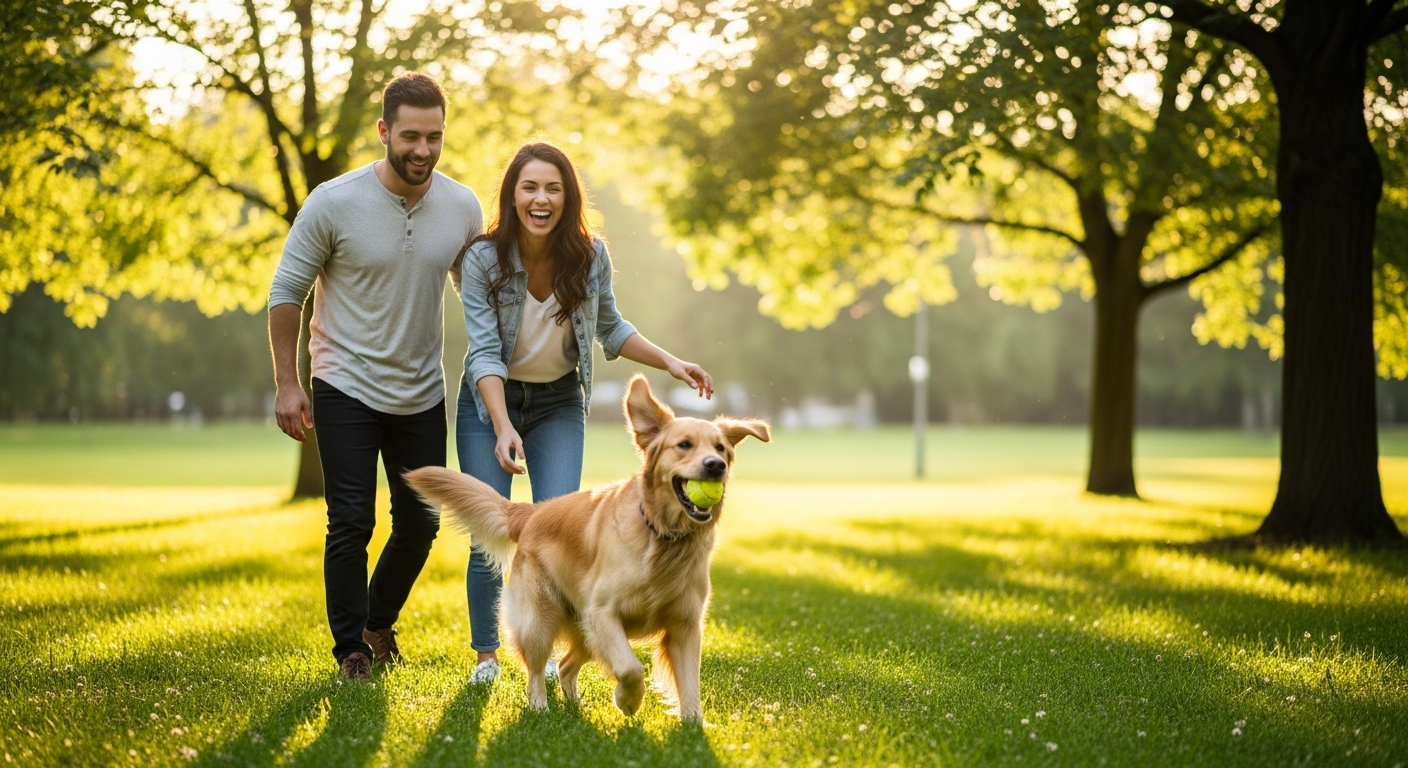
The safest, most fun summer activities for kids and dogs are the ones matched to the heat: early-morning adventures before 9 a.m., water play during peak afternoon heat, and shade or indoor games when it's too hot to be outside at all. Below are 25 ideas sorted that way, plus the heat-safety rules — the hot-pavement test, heatstroke signs, and hydration basics — every family should know before stepping outside this July.
Key takeaways
- Sort summer activities by heat level: early-morning outings, then water play, then indoor/shade days when the heat index climbs.
- Test pavement with the 7-second hand rule before any walk — if it's too hot for your hand, it's too hot for your dog's paws.
- Know heatstroke's early signs (heavy panting, drooling, bright red gums) so you can act before it becomes an emergency.
- Never leave a dog in a parked car, even briefly or with windows cracked — interior temperatures can climb over 30°F above outside temps within 30 minutes.
- Flat-faced (brachycephalic) breeds, seniors, puppies, and overweight dogs need shorter outings and closer supervision in the heat.
Early-Morning and Evening Adventures (Before 9 a.m. or After 7 p.m.)
Cooler hours are the best window for real exercise. Pavement hasn't baked yet, the sun is low, and both kids and dogs have more energy to burn.
- Sunrise sniff walk. Let your dog set the pace and stop to smell everything — a slow "sniffari" is mentally tiring for dogs in a way a fast walk isn't, and kids ages 6–13 can take turns holding the leash.
- Dawn fetch at the park. Grass is cooler and softer on paws than pavement; bring a second ball so there's no waiting around.
- Frisbee or disc-golf basics. Teach kids 8–13 to throw low, flat throws a dog can track and catch.
- Neighborhood scavenger hunt. Give kids a list ("find something red," "find a squirrel") and let the dog "help" sniff it out.
- New-trick training session. Cool mornings are ideal for 10-minute training bursts; let kids run the treat pouch.
- Bike-and-dog jog with a hands-free leash attachment. Best for older kids (10–13) and dogs already fit for running; skip this one entirely for brachycephalic breeds or dogs new to exercise.
- Dew-grass barefoot walk. Dogs get the cool grass on their pads while kids compare who can spot the most bug trails in the dew.
- Early-morning "parade." Dress the dog in a bandana, let each kid pick a "job" (leash holder, ball carrier, treat dispenser), and walk the block before it's hot.
Water Play (Best for Midday Heat)
Water is the single best tool for keeping dogs cool during the hottest part of the day — but always supervise, since pool and open-water safety matter as much as the fun.
- Kiddie pool splash zone. A cheap plastic pool with two inches of water gives dogs a place to lie down and cool their belly; great for toddlers (ages 3–5) supervised alongside.
- Sprinkler tag. Kids run through the sprinkler, dog chases — low-effort, high-laugh, and self-limiting since everyone naturally takes breaks.
- Garden-hose "rainstorm." A gentle mist from the hose cools a dog faster than a walk ever would; avoid direct high-pressure spray in the face.
- DIY water table. Fill a low, wide bin with a few inches of water and drop in floating toys for dogs to bob for.
- Frozen treat hunt in the wading pool. Freeze treats or kibble into ice cubes and toss them in for a slow-melting scavenger hunt.
- Lake or pond swim day. Use a dog life jacket for weak swimmers or brachycephalic breeds, and never leave a dog unsupervised near open water.
- Backyard "car wash." Kids "wash" the dog with soft sponges and lukewarm water — dogs that hate baths often love this looser, playful version.
- Ice-cube fetch. Toss a few ice cubes across the patio for a dog to chase and crunch; it doubles as hydration.
- Supervised pool party. If a neighbor or family member has a pool, a short, closely watched swim session (with exit-point training first, per the AKC's pool safety guidance) is a great group activity.
Shade and Indoor AC Days (When It's Too Hot to Be Outside)
On heat-advisory days, the safest activity is the one that stays inside. These keep dogs and kids entertained without ever crossing a hot driveway.
- Frozen Kong challenge. Stuff a rubber toy with peanut butter or wet food and freeze it — 20 minutes of calm, happy licking, no heat exposure required.
- Indoor scent-work hide-and-seek. Hide treats around a room and let the dog (and kids) search; it's real mental exercise with zero risk of overheating, and pairs well with the games in our indoor dog games for kids guide.
- Couch-cushion agility course. Build simple jumps and tunnels from cushions and chairs for a rainy-day-energy burn indoors.
- Pet-safe bubble chase. Non-toxic bubble machines made for dogs give the fun of chasing something without the heat of the yard.
- Puzzle-feeder tournament. Time how fast the dog solves different puzzle feeders — a great "who can build the hardest one" contest for kids 8–13.
- Family movie and training-treat night. Practice calm settle-on-a-mat behavior during a movie; low-key bonding for the hottest part of the day.
- "Interview the dog" with a talking collar. An AI dog collar like SPEAK ($199 Founder's Edition, $5/month) gives the dog a voice kids can "interview" about their day — a fun, air-conditioned way to keep the whole family engaged without any exertion.
- Cardboard box fort building. Kids build, dog "supervises" (and inevitably naps in the middle of it) — a genuinely low-energy way to spend a 95-degree afternoon together.
How Do You Keep Dogs Safe From Summer Heat?
Keeping dogs safe in summer heat comes down to five things: test the pavement before you walk, know heatstroke's warning signs, never leave a dog in a car, keep water constantly available, and watch flat-faced breeds extra closely. Skipping any one of these is where most summer emergencies start.
The 7-Second Pavement Test
Press the back of your hand to the sidewalk, asphalt, or sand and hold it there. If you can't keep your hand down for seven seconds because it's too hot, it's too hot for your dog's paw pads too — the American Veterinary Medical Association has pointed to this quick test as a real-time way to check surfaces before a walk, as reported by Newsweek. The AKC notes that at 86°F air temperature, asphalt can reach roughly 135°F — hot enough to burn paw pads in under a minute. When in doubt, stick to grass, walk before 9 a.m. or after 7 p.m., or use dog booties.
Recognize Heatstroke Signs Early
Early heatstroke signs include heavy panting, rapid breathing, excessive drooling, bright red or dark gums, and skin that's hot to the touch, according to the AKC. More severe signs — pale or bluish gums, stumbling, collapse — mean it's an emergency: move the dog to shade or AC immediately, offer room-temperature water if they're alert enough to drink, and call your vet right away. Heatstroke can turn life-threatening within minutes, especially in humid conditions or enclosed spaces.
Never Leave a Dog in a Parked Car
This one has no exceptions, no matter the errand or the shade. On an 85-degree day, a parked car's interior can climb to roughly 102°F in 10 minutes and 120°F within 30 minutes — even with the windows cracked. That's far faster than most owners expect. If you see a dog alone in a hot car, alert nearby businesses over the loudspeaker, then call police or animal control if the owner can't be found.
Hydration Is Non-Negotiable
Keep fresh, cool water available indoors and outdoors, and refresh it often since it warms up fast in direct sun. On extra-hot days, add ice cubes to the bowl and bring a collapsible bowl on any outing longer than a bathroom break — offer water before, during, and after play, not just when your dog looks tired.
Watch Brachycephalic Breeds Extra Closely
Flat-faced (brachycephalic) breeds — Bulldogs, Pugs, Boxers, Shih Tzus — have airway shapes that make panting, their main cooling method, far less effective, putting them at meaningfully higher heatstroke risk than longer-nosed breeds. The same caution applies to seniors, puppies, overweight dogs, and thick double-coated breeds: shorter outings, more shade breaks, and skip ambitious activities like the bike jog above in favor of water play or indoor games.
Summer with a dog and kids should feel like the best part of the year, not a season of close calls. Match the activity to the temperature, run the 7-second test before you step off the porch, and keep water within reach — the rest is just deciding which of these 25 to try first. For more ways to keep the whole family entertained together, see our complete kids-and-dogs guide and 50 fun things to do with your dog.