Latchkey Dog: Keeping Your Pup Happy While Kids Are at School
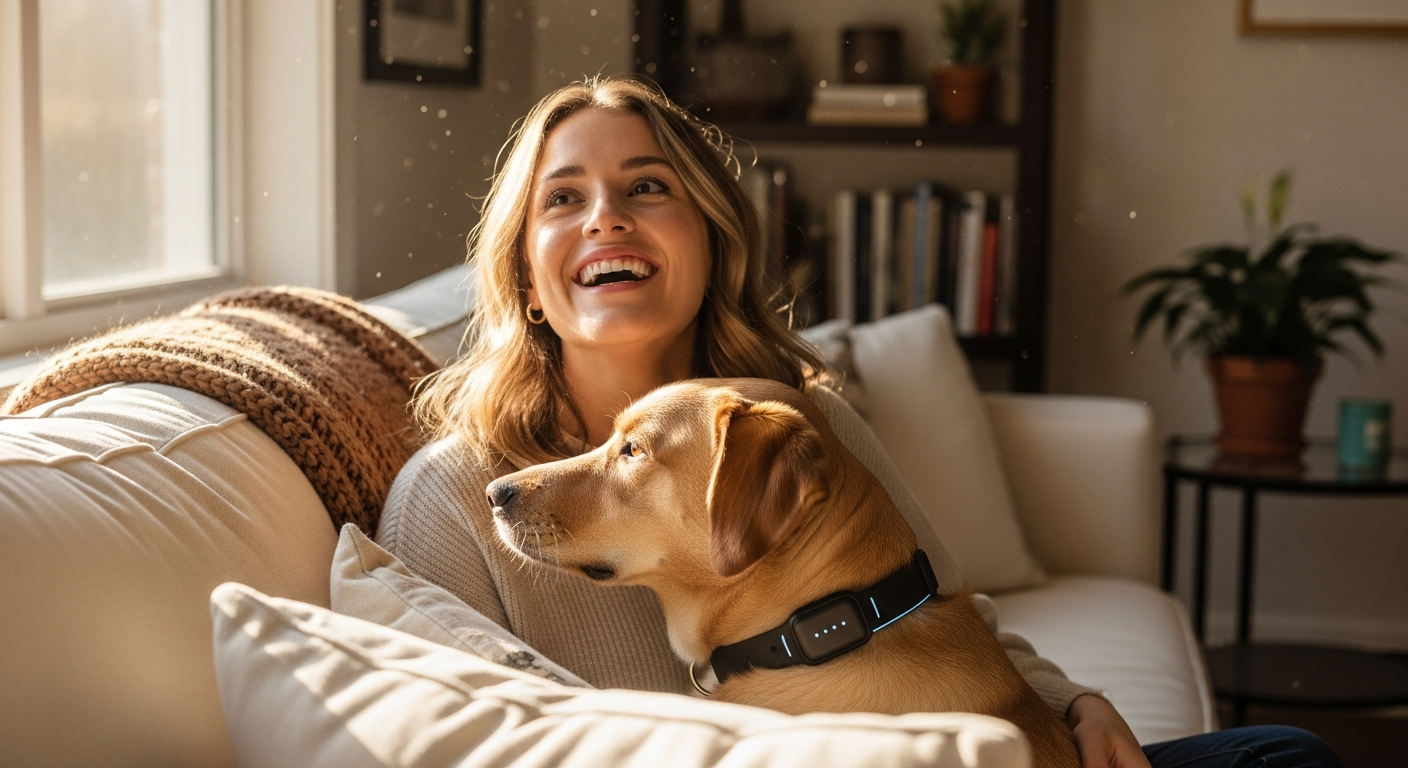
Help your dog adjust to solo afternoons by keeping the daily routine close to summer's, tiring them out with exercise before you leave, and giving them a real job to do, like a stuffed food toy, not just an empty house. Watch the first two weeks: mild restlessness usually fades on its own, but panic, destruction, or accidents starting within minutes of you leaving are signs of separation anxiety worth a call to your vet or trainer.
Key takeaways
- Most healthy adult dogs handle 6–8 hours alone; puppies, seniors, and dogs with medical needs need a midday break well before that, per the AKC.
- Boredom and separation anxiety look similar but aren't the same. Anxiety shows up fast (often within minutes) and comes with real panic, not just mischief, according to the ASPCA.
- Pre-departure exercise and a stuffed puzzle toy are the two highest-leverage habits for easing the back-to-school transition, per AKC guidance.
- A calm, low-key departure and a calm, low-key reunion both matter; a huge "I MISSED YOU" greeting can actually train your dog to dread the quiet in between.
- Separation-related behavior affects a real but modest share of dogs (around 5% showed it in a large Finnish study of nearly 13,700 dogs), so most dogs adjust with a little structure. If yours doesn't within a couple of weeks, loop in a professional.
Why does my dog struggle when the kids go back to school?
Your dog spent all summer with company, noise, snacks dropped on the floor, and someone to follow from room to room. Then, almost overnight, the house goes quiet for six or seven hours a day. Dogs don't understand "school year"; they just notice a predictable, exciting part of their day disappeared, and some handle that change harder than others.
This isn't a training failure. Routine is one of the biggest levers for a dog's sense of security, and most dogs adjust within a week or two once the new schedule proves predictable and safe. Dogs who struggle longer are usually the ones who never practiced being alone at all, thanks to a summer, or a puppyhood, with someone almost always home.
How long is too long for a dog to be home alone?
Most healthy adult dogs can comfortably handle 6 to 8 hours alone, which covers a typical school day plus commute for most families, according to the American Kennel Club. Puppies, senior dogs, and dogs with bladder or joint issues need a break well before that ceiling, and the AKC also notes dogs generally need at least two hours of dedicated social time with people or other dogs each day to meet their behavioral needs.
If your family's schedule runs longer than 8 hours door-to-door, build in a midday visit rather than push through it. A dog walker, a trusted neighbor, or a few days of doggy daycare can close the gap without anyone skipping work or school.
Is it separation anxiety, or is my dog just bored?
The quickest way to tell them apart is timing and intensity. A bored dog might nap, chew an approved toy, or get into some mild trouble, but it isn't distressed, and it settles. A dog with separation anxiety often starts showing real panic within minutes of you leaving: non-stop barking or howling, drooling, pacing in a fixed pattern, and destructive escape attempts specifically at doors and windows, per the ASPCA. House accidents from a fully house-trained dog are another common tell, since anxiety, not a weak bladder, is usually the actual cause.
A cheap way to find out: prop up your phone and record the first 15 to 20 minutes after you walk out the door. Dogs with anxiety usually make it obvious fast. Dogs that are just bored typically settle within a few minutes and get on with their day.
For scale, a study of nearly 13,700 Finnish pet dogs found about 5% displayed separation-related behavior at a notable frequency (Salonen et al., Scientific Reports, 2020), while studies using broader criteria report higher rates. The range exists because researchers measure it differently, but the takeaway is the same: it's real and well-documented, and also not the default outcome for most dogs.
What routine actually helps my dog adjust?
Keep the shape of the day as close to summer's as you can, and load the good stuff right before you leave, not after you get back. The AKC recommends a real walk or play session in the 30 to 60 minutes before departure, since a physically tired dog has a lot less nervous energy left over for barking or chewing the baseboards.
A few other routine pieces that make a measurable difference:
- Keep feeding and walk times consistent, even though the family's schedule just changed. Predictability is doing a lot of the emotional work here.
- Practice short absences before the first real school day, if you can, especially with a puppy or a dog that's never really been alone. Leave for 5 minutes, then 20, then an hour, building up gradually.
- Skip the dramatic goodbye and the dramatic hello. Calm departures and calm arrivals, per AKC guidance, teach your dog that neither moment is a big deal, which lowers anxiety around both.
- Leave background noise on, like a TV or radio at low volume, so the house doesn't go dead silent the second the door closes.
What enrichment actually helps a dog get through the day alone?
The goal is giving your dog a job, not just entertainment. A food-stuffed puzzle toy or frozen Kong is the most recommended tool across vet and trainer guidance, giving a dog 20 to 30 minutes of focused, calming work right when the house empties, per the ASPCA. Rotate two or three toys so nothing gets boring, and save the highest-value stuffing (peanut butter, a little wet food, frozen broth) specifically for departure time, so your dog starts associating you leaving with something good.
Beyond the toy, a sniffing mat or a short scatter-feed of kibble before you leave taps into a dog's natural foraging instinct, which tends to be more mentally tiring than physical exercise alone. For structured ways to fill the after-school hours once everyone's home, indoor dog games for kids and the full list of 50 things to do with your dog are both built around that reunion window, not just the empty house.
How should the after-school reunion actually go?
Keep the first few minutes low-key, then shift into real attention once everyone's settled. A calm entrance, no high-pitched "I'm home!!" the second the door opens, helps your dog come down from anticipation instead of spiraling into excitement. Give it a minute, then leash up for a bathroom break and a short decompression walk before anything else.
After that, the after-school block is prime bonding time, arguably more valuable now that it's scarce. It's a good window for the age-appropriate chores and play covered in our complete guide to kids and dogs, where kids ages 6–13 can take on real jobs like feeding, brushing, or a supervised backyard game. Some families lean into the reunion with a talking collar like SPEAK, which gives the dog a running, made-up voice the household can "catch up" with after school. It's a fun, in-on-the-joke bonding ritual, not a real report of what happened while everyone was out.
When should I call a vet or trainer about my dog's alone time?
Call sooner rather than later if the distress is intense, if there's any risk of injury, or if two to three weeks of a consistent routine hasn't improved things. Specific red flags worth acting on: self-injury from escape attempts (bloody paws, broken teeth from crate or door chewing), or symptoms that hold steady or get worse despite you doing everything right on the routine and enrichment front, per AKC guidance, which also notes that separation anxiety doesn't reliably resolve on its own and treatment has a high success rate once it's properly addressed.
Start with your veterinarian, both to rule out a medical cause for house accidents and because they can refer you to a certified trainer or veterinary behaviorist for a structured desensitization plan. That plan often means building up alone-time tolerance in small increments, sometimes paired with anti-anxiety medication prescribed by a vet. This isn't a sign you've failed as a dog owner; it's a real behavioral condition, and getting ahead of it now beats managing it for years.
The bottom line
A few weeks of consistent routine, real pre-departure exercise, and a good puzzle toy solve the adjustment for most dogs. Watch closely early on, know the difference between "bored" and genuinely distressed, and call a vet or trainer if things aren't settling. Give it time, and the after-school reunion becomes one of the best parts of everyone's day, kids and dog included.